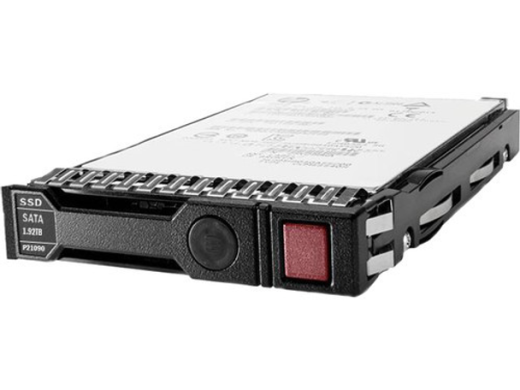
Unmatched Performance and Reliability
The HPE P19951-X21 1.92TB Solid State Drive (SSD) stands as a testament to high-performance computing. Designed for demanding enterprise environments, this SSD offers an impressive 670,000 random read IOPS, ensuring lightning-fast data access for your applications. This rapid data throughput means less time waiting for data retrieval and more time maximizing productivity within your data center.
Advanced Security Features
Security is paramount in today’s digital environment. The P19951-X21 doesn't just stop at performance; it features HPE’s Digitally Signed Firmware, which provides assurance that the firmware is from a trusted source. This vital feature protects your data from unauthorized access, ensuring that your sensitive information stays secure. With firmware integrity assured, your system operates with confidence and safety.
Smart Carrier Technology
Incorporating Smart Carrier technology, the HPE P19951-X21 allows users to easily monitor drive status and health. The visual indicators communicate critical management information, guiding users to the current status of the SSD effortlessly. The inclusion of a do-not-remove warning icon helps prevent potential data loss due to human error, making this SSD not only powerful but intelligent in its operation.
Enhanced Monitoring Capabilities
The pioneering HPE SmartSSD Wear Gauge feature within the P19951-X21 further enriches the user experience by allowing administrators to monitor the SSD's lifespan effectively. By providing insights into wear levels, businesses can make proactive decisions regarding data storage management, ensuring optimal performance without unexpected failures. This knowledge contributes significantly to efficient operations in high-demand environments.
Optimized for Enterprise Applications
Specifically tailored for mixed use and enterprise applications, this SSD excels in various scenarios, from big data analytics to cloud computing. The HPE P19951-X21 delivers the versatility and performance required to enhance the efficiency of transactional database workloads. By consolidating workloads and reducing the number of servers needed, users can significantly lower operational costs while maintaining a high-performance environment.